
Fencing near wetlands in Washington and Oregon
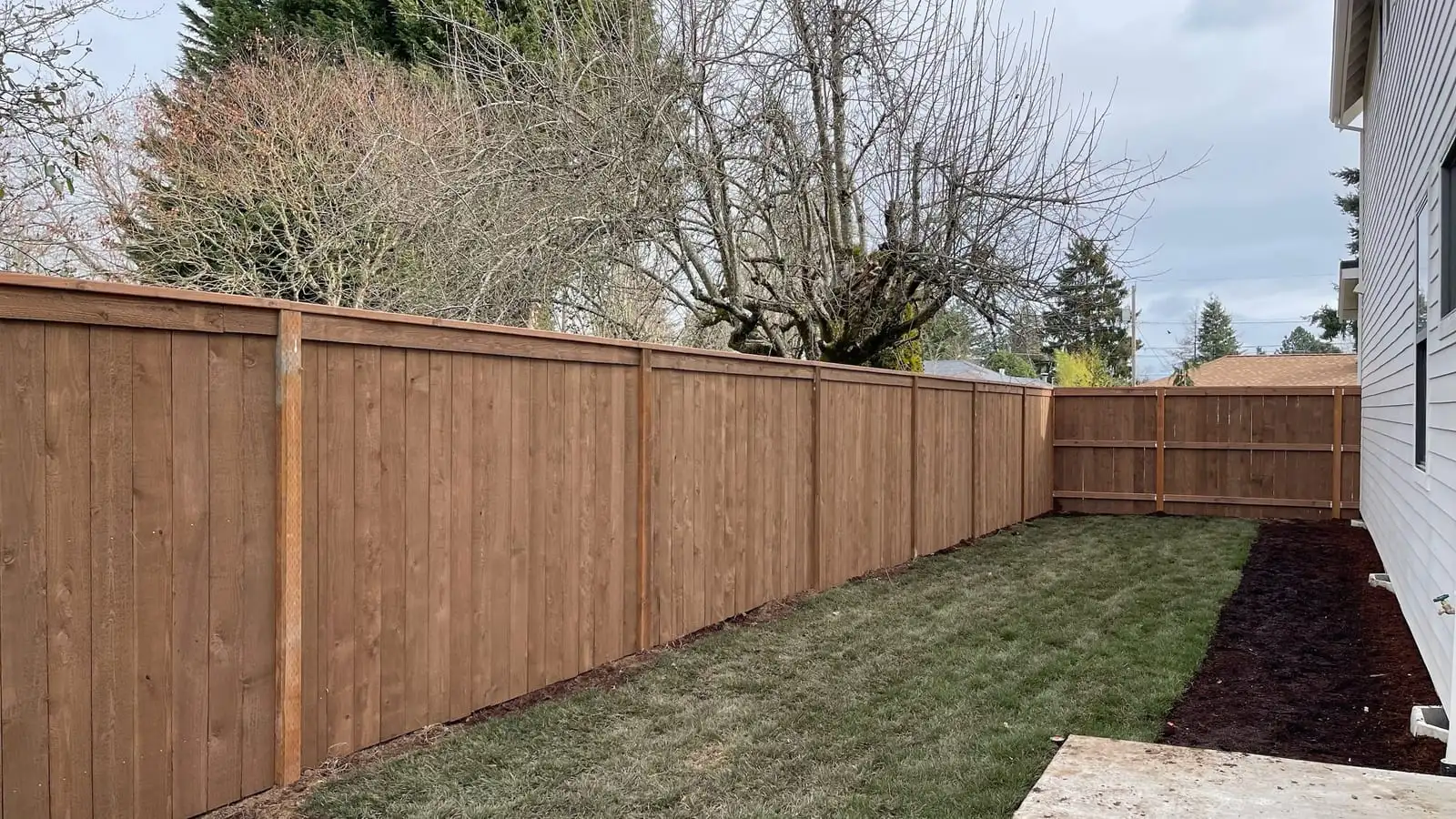
A fence near a wetland has to satisfy the property and the rules that protect neighbors, wildlife, and the habitat. Height, materials, and setbacks change by city and county. Check them before anyone digs.
A common residential pattern is a backyard fence around 6 feet and a front-yard fence around 4 feet. Taller fences, often past about 6 or 7 feet, usually need a permit. Those numbers are typical, not a substitute for your city’s code.
A fence on the property line is generally treated as shared. Neighbors often split the cost and the upkeep. If someone refuses, the dispute can end up in small claims under that state’s process. The line itself comes from the deed. Hire a surveyor in Washington or Oregon when it is unclear.
Some residential zones ban hazardous materials such as barbed wire. Corners and driveways often have visibility rules. Courts in both states can order a “spite fence” removed if it was built to harass a neighbor.
Next to a wetland or in a rural area, the fence also has to consider wildlife movement and any land-use rule for that habitat. Confirm permits, setbacks, and conservation rules with the local planning department. A website cannot see your lot.
State references linked from the original article:
Written by Woodmasters LLC. For a fence, call Andrey at (360) 921-0350.